
 The most important piece of advice I can give anyone is if you believe you are being mistreated by a bank, debt collector, store or any business, there is a place to file a complaint – so FILE IT. This establishes patterns and helps others who might have to deal with the same situation.
* Please see important legal information at the bottom of this page before taking action.

Debt collection has been a lucrative practice for centuries
DEBT COLLECTORS
This is an industry that is highly regulated but still rampant with companies who use illegal and unethical practices. We need to report any incident of mistreatment.
Remember, until you are absolutely sure all laws are being followed:
- Do not acknowledge the debt
- Do not negotiate or make payments on a debt – if the debt is past the statute of limitations, then you actually start the clock over again!
- Respond within 30 days and “dispute the debt.”
If you are called by a debt collector tell them you will not discuss anything over the phone and that you “dispute the debt.” Don’t acknowledge the debt and demand any further contact be done by US Mail (NOT email!) Don’t give email addresses or any other phone numbers. Challenge them to provide you with the address they have on record for the debt. If the address is current tell them to use their information. If the address is one that was legitimately yours in the past, give them an updated address. (We live in a time where we can’t trust phone calls. How can you be sure the call is not fraudulent?)
If they take the next step and send you a letter:
- Always start by responding with a letter when you receive a letter from a debt collector. Even if the debt seems legitimate, use your right for more information and proof of assignment. You have 30 days to respond/dispute a debt. Use that time to ask them for proof. Again, don’t acknowledge the debt. Your letter is simply a dispute of the debt and a request for the “original contract” related to the debt “they claim.” Often if the debt has been purchased those documents are not available. Without the original contract in many cases they have no right to collect the debt if you dispute it. They buy these debts gambling that most people aren’t aware or won’t take advantage of these rights. For more on what should be in your letter see this NOLO article.
- Is the debt collector following the Fair Debt Collection Act? Here is a great source of information to determine if they are violating any rules or laws: http://www.nolo.com/legal-encyclopedia/illegal-debt-collection-practices.html
- If they are violating anything in that act, you can file a complaint with the Consumer Financial Protection Bureau, it is quick and easy: http://www.consumerfinance.gov/complaint/#debt-collection
- Find your state’s attorney general and file a complaint with their consumer protection department:
This link takes you to the National Association of Attorneys General – the list is done by photograph, click on your AG to visit their website: http://www.naag.org/naag/attorneys-general/whos-my-ag.php - Is the debt beyond the statute of limitations? Check your state here: http://www.nolo.com/legal-encyclopedia/statute-of-limitations-state-laws-chart-29941.html If it is, you are dealing with a Zombie Debt Collector – Read about Zombie Debt collectors and how to handle them.
- If the debt is legitimate and not beyond the statute of limitations but is a debt you cannot pay contact your local legal services: http://lsc.gov/what-legal-aid/find-legal-aid
- If the debt is legitimate, you also might want to consult a legitimate credit counselor, use the advice and resources found at the CFPB site: http://www.consumerfinance.gov/askcfpb/1351/how-do-i-find-credit-counselor.html
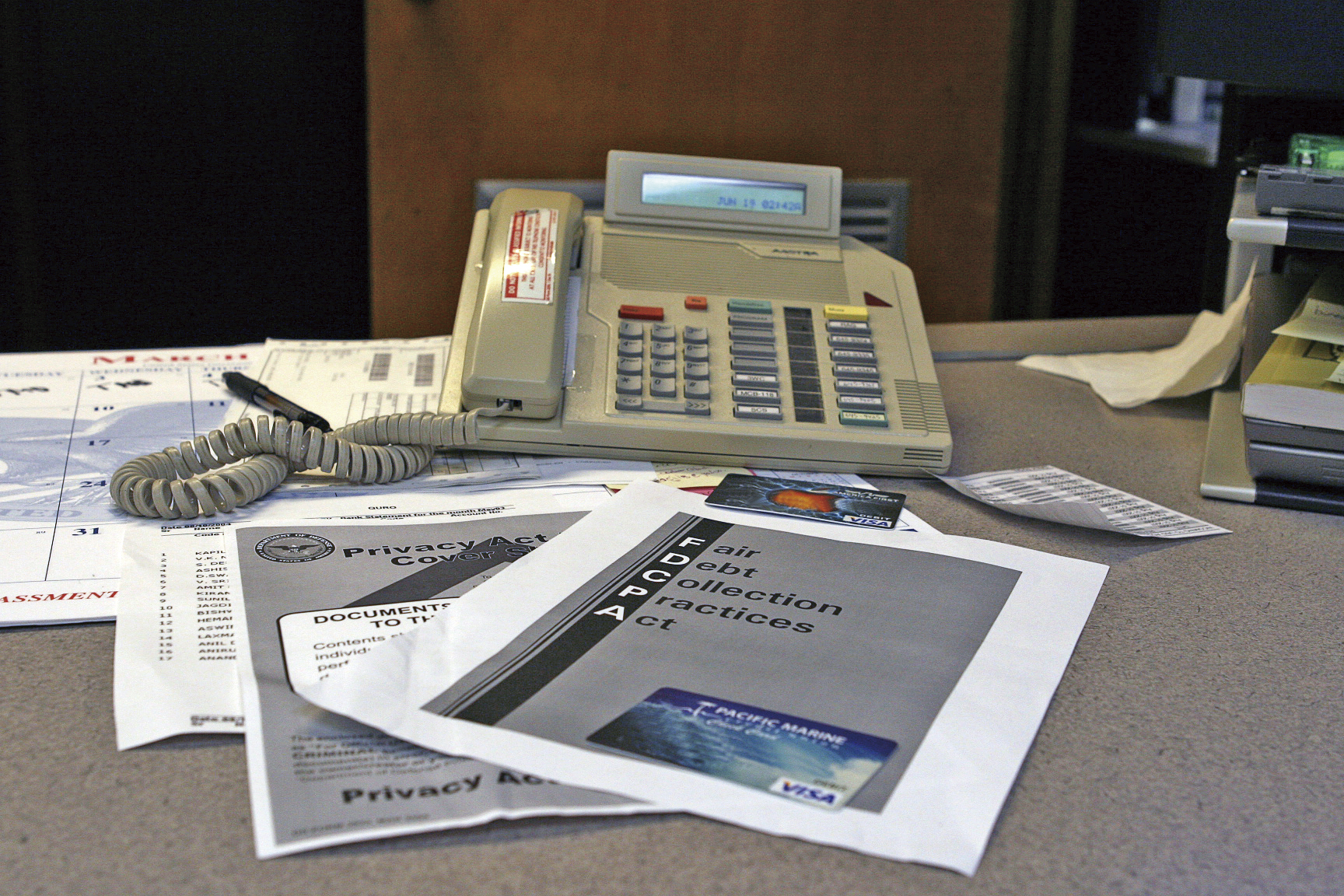
KNOW YOUR RIGHTS!
* DISCLAIMER: None of this advice is considered legal advice – there are no guarantees and each situation is different. There are exceptions to debt collectors who are bound by the Fair Debt Collection Act. This information only applies to third party debt collectors, not a bank, mortgage servicer, or credit card company – there are separate regulations for each. If you are being sued by a lawyer you should seek legal advice, seek your local legal aide office if you cannot afford an attorney. Some debt collectors are part of legal practices, in that case you should still dispute the debt and ask for the original contract or documents, but also consider speaking to a lawyer and check with your local AG.
We are not lawyers and cannot provide legally binding advice.
 Middle Class Lives